The divisions

NCAA: a guide for international athletes

Division I, II or III, scholarships, the 2025 reform and the Eligibility Center: what to know before targeting an NCAA university.

NCAA Division INCAA Division IINCAA Division III
The short answer

The NCAA (National Collegiate Athletic Association) is the main governing body of US college sports. Founded in 1906, it brings together about 1,100 universities in three divisions. Divisions I and II award athletic scholarships; Division III awards none. Since July 1, 2025, Division I works with roster limits rather than a set number of scholarships.

Contents
  1. What is the NCAA?
  2. Division I, II and III: the differences
  3. What the July 2025 reform changed
  4. The Eligibility Center
  5. Frequently asked questions

What is the NCAA?

Founded in 1906, the NCAA governs sports at four-year universities in the United States: rules, athlete eligibility and national championships. It brings together about 1,100 universities, from large public campuses to small private colleges.

It is the best-known governing body, but not the only one. The NAIA brings together other four-year universities, and the NJCAA covers junior colleges with two-year programs.
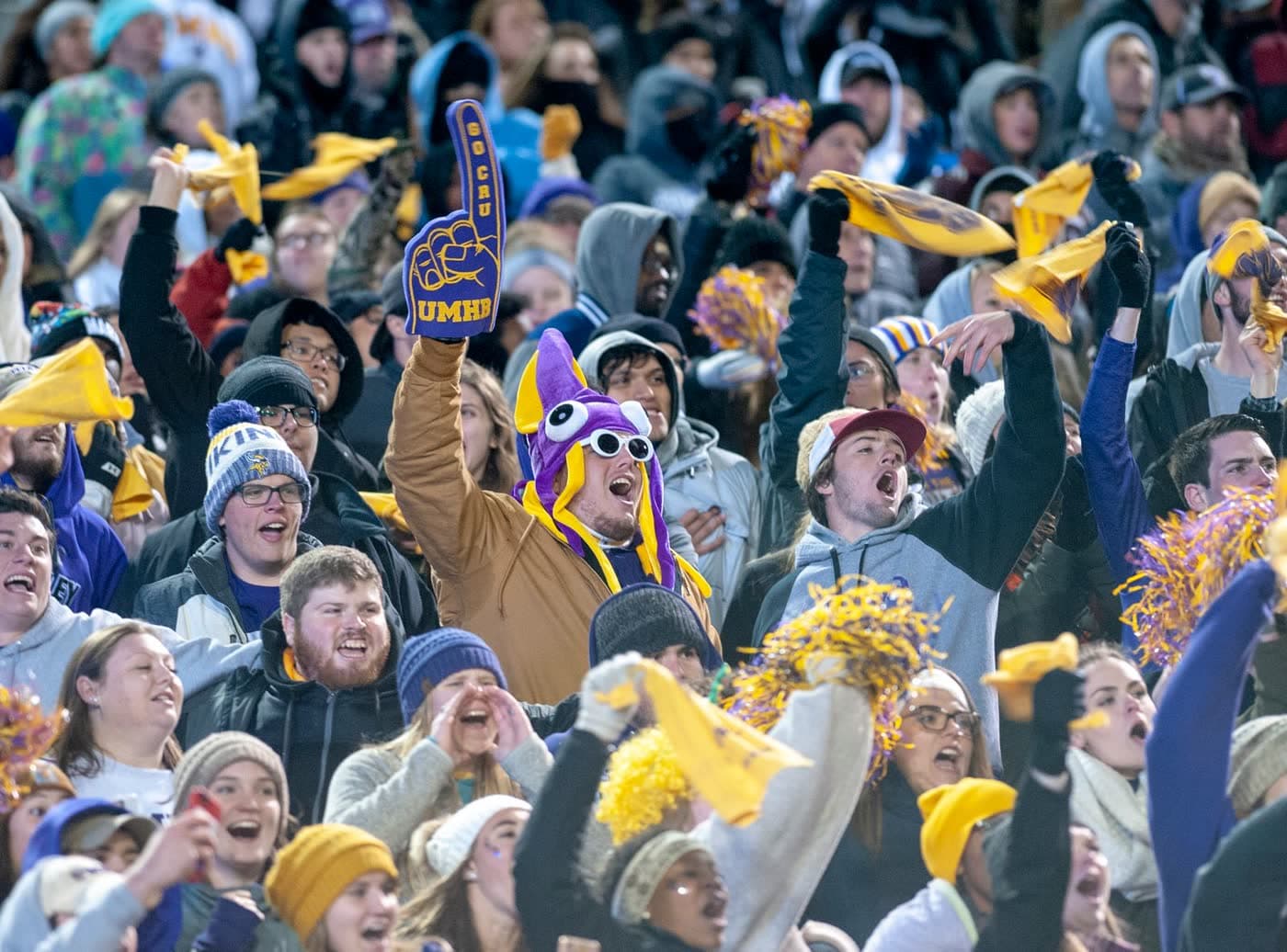
Fans in the stands of a college stadium

Division I, II and III: the differences

NCAA universities are split into three divisions, based on their size, athletic budget and scholarship policy. The division does not tell the whole story about a team’s level: a strong Division II program can beat a modest Division I team.

  • NCAA Division I

    The highest level, usually national. Partial or full scholarships, within roster limits since 2025.

  • NCAA Division II

    Equivalency scholarships, a budget shared among several athletes. A great balance between sport and studies.
  • NCAA Division III

    No athletic scholarships. Funding comes from academic merit or need-based aid.

What the July 2025 reform changed

The House v. NCAA settlement, in effect since July 1, 2025, transformed Division I. Universities that opt in are no longer limited to a set number of scholarships per team: they work with roster limits, a maximum squad size, and can fund up to that roster size.

Division II is not affected: it keeps its equivalency model and its per-sport limits. Division III still awards no athletic scholarships.

More in our guide to athletic scholarships in the USA, and each sport’s limits in the scholarships by sport table.

The Eligibility Center

To compete in Division I or II, an athlete must be certified by the NCAA Eligibility Center. It checks two things: the academic record (translated transcripts and diploma) and amateur status.

Registration is online, ideally during high school. Division III does not require this certification: each university handles admission itself.

Admission tests (SAT, TOEFL or Duolingo) are covered on our test prep page.

A student taking a written exam
Frequently asked questions

Questions about the NCAA

What does NCAA stand for?

NCAA stands for National Collegiate Athletic Association. It is the main governing body of US college sports, founded in 1906, with about 1,100 four-year universities in three divisions.

What is the difference between Division I, II and III?

Division I is the highest level, with partial or full scholarships within roster limits since 2025. Division II awards equivalency scholarships shared among several athletes. Division III awards no athletic scholarships: funding comes from academic aid.

Can an international athlete play in the NCAA?

Yes. NCAA universities recruit international athletes in most sports. You need the athletic level the coach is looking for, an admissible academic record, Eligibility Center certification for Divisions I and II, enough English and an F-1 student visa.

What is the NCAA Eligibility Center?

It is the NCAA body that certifies an athlete meets the academic and amateur requirements to compete in Division I or II. Registration is online, with translated transcripts and, in some cases, test scores.

What did the 2025 NCAA reform change?

Since the House v. NCAA settlement of July 1, 2025, Division I universities that opt in work with roster limits rather than a set number of scholarships. They can fund up to their roster size. Divisions II and III are not affected.

They did it

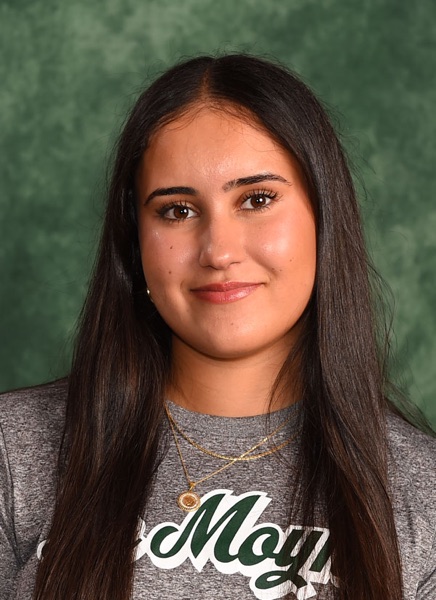
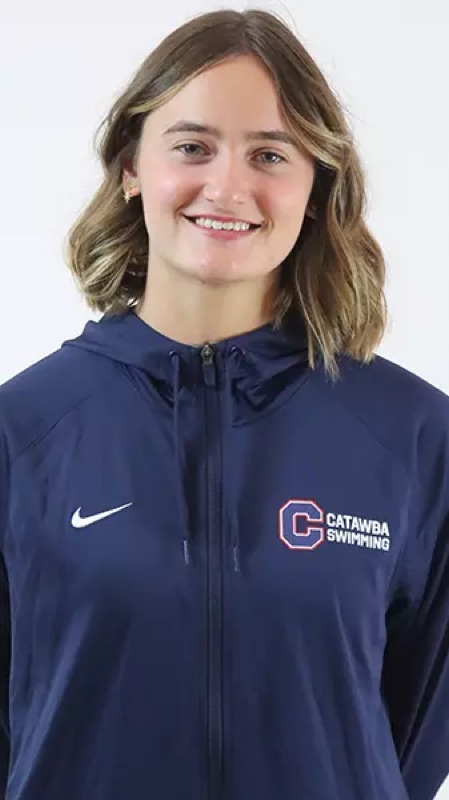
They played in the NCAA

See all athletes →

They play and study here

  • Abilene Christian University
  • Adelphi University
  • Alabama State University
  • American International College
  • Angelo State University
  • Augustana University
  • Aurora University
  • Barry University
  • Barton College
  • Belmont University
  • Benedict College
  • Bethune-Cookman University
  • California State University Northridge
  • Cameron University
  • Campbell University
  • Catawba College
  • Central Connecticut State University
  • Chestnut Hill College
  • Chicago State University
  • Christian Brothers University
  • Coastal Carolina University
  • Creighton University
  • CSU Pueblo
  • Dallas Baptist University
  • Davis & Elkins College
  • Delta State University
  • Dominican College
  • Drexel University
  • East Carolina University
  • East Tennessee State University
  • Elizabethtown College
  • Embry-Riddle Aeronautical University
  • Flagler College
  • Florida International University
  • Fordham University
  • Francis Marion University
  • Franklin Pierce University
  • George Washington University
  • Georgia College & State University
  • Georgia Southwestern State University
  • Goldey-Beacom College
  • Illinois State University
  • IUPUI (IU Indianapolis)
  • Jacksonville State University
  • Kutztown University of Pennsylvania
  • Lamar University
  • Lander University
  • Le Moyne College
  • Lee University
  • Lees-McRae College
  • Limestone University
  • Lincoln University (Missouri)
  • Lindenwood University
  • Long Island University
  • Louisiana State University
  • Louisiana Tech University
  • Loyola Marymount University
  • Lynn University
  • Marquette University
  • Marshall University
  • Maryville University
  • Menlo College
  • Mercer University
  • Midwestern State University
  • Mississippi College
  • Morgan State University
  • Murray State University
  • New Mexico State University
  • Nicholls State University
  • North Carolina Wesleyan University
  • Northeastern State University
  • Northwest Missouri State University
  • Northwood University
  • Penn State University
  • PennWest Edinboro
  • Queens College
  • Queens University of Charlotte
  • Rider University
  • Roberts Wesleyan College
  • Rogers State University
  • Saint Leo University
  • Saint Peter's University
  • Savannah State University
  • Seattle University
  • Shaw University
  • Shorter University
  • Slippery Rock University
  • South Carolina State University
  • Southeast Missouri State University
  • Southeastern Oklahoma State University
  • Southern Illinois University Carbondale
  • Southern Methodist University
  • Southern Utah University
  • St. Francis College (Brooklyn)
  • St. John's University
  • St. Joseph's University (New York)
  • Tarleton State University
  • Texas A&M University Corpus Christi
  • Tiffin University
  • Towson University
  • Tuskegee University
  • University at Albany
  • University of Akron
  • University of Alabama in Huntsville
  • University of Alaska Fairbanks
  • University of Arkansas at Pine Bluff
  • University of Arkansas Fort Smith
  • University of Central Oklahoma
  • University of Charleston
  • University of Detroit Mercy
  • University of Indianapolis
  • University of Louisiana at Lafayette
  • University of Louisiana Monroe
  • University of Missouri-Kansas City
  • University of Missouri-St Louis
  • University of Mount Olive
  • University of Nevada, Reno
  • University of New Orleans
  • University of North Georgia
  • University of North Texas
  • University of South Carolina Aiken
  • University of Southern Mississippi
  • University of Texas Permian Basin
  • University of Texas Rio Grande Valley (UTRGV)
  • University of the Pacific
  • University of Virginia's College at Wise (UVA-Wise)
  • University of West Alabama
  • University of West Florida
  • University of West Georgia
  • University of Wisconsin-Green Bay
  • Upper Iowa University
  • West Liberty University
  • West Virginia Wesleyan University
  • Western New Mexico University
  • Wichita State University
  • Wingate University
  • Young Harris College
  • Youngstown State University